
AI guides and practical learning paths
Browse 34 source-checked guides covering AI foundations, advanced workflows, and hands-on projects. New readers can follow a roadmap in order; experienced readers can choose a specific problem below.
Start with the foundations
Learn the vocabulary, limits, tool-selection habits, prompting methods, and verification checks every AI user needs.
Build stronger AI systems
Move from isolated prompts to grounded files, custom assistants, image and video workflows, agents, automation, and a personal AI stack.
Ship a working prototype
Follow project-based tutorials for PDF summarisation, browser extensions, debugging, credential safety, and responsible deployment.
Latest guides
-
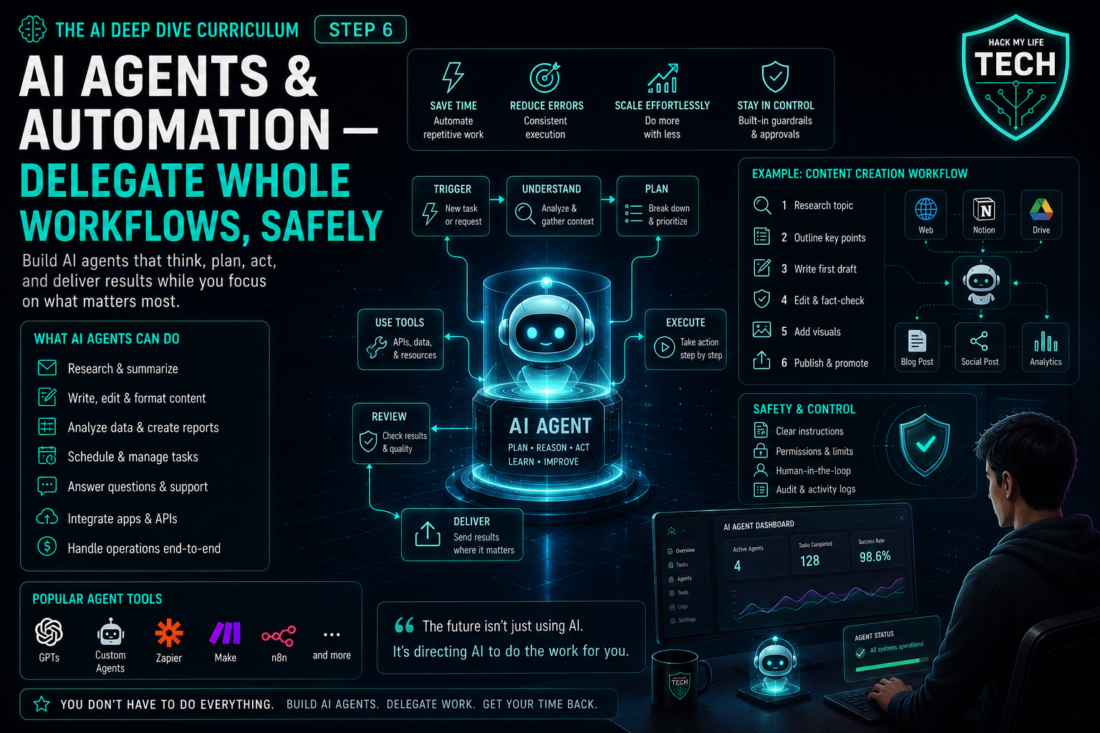
Step 6: AI Agents & Automation — Delegate Whole Workflows, Safely
AI agents acts. The moment AI can click, send, buy, and delete on your behalf, “you sign the work” stops being a good habit.
-
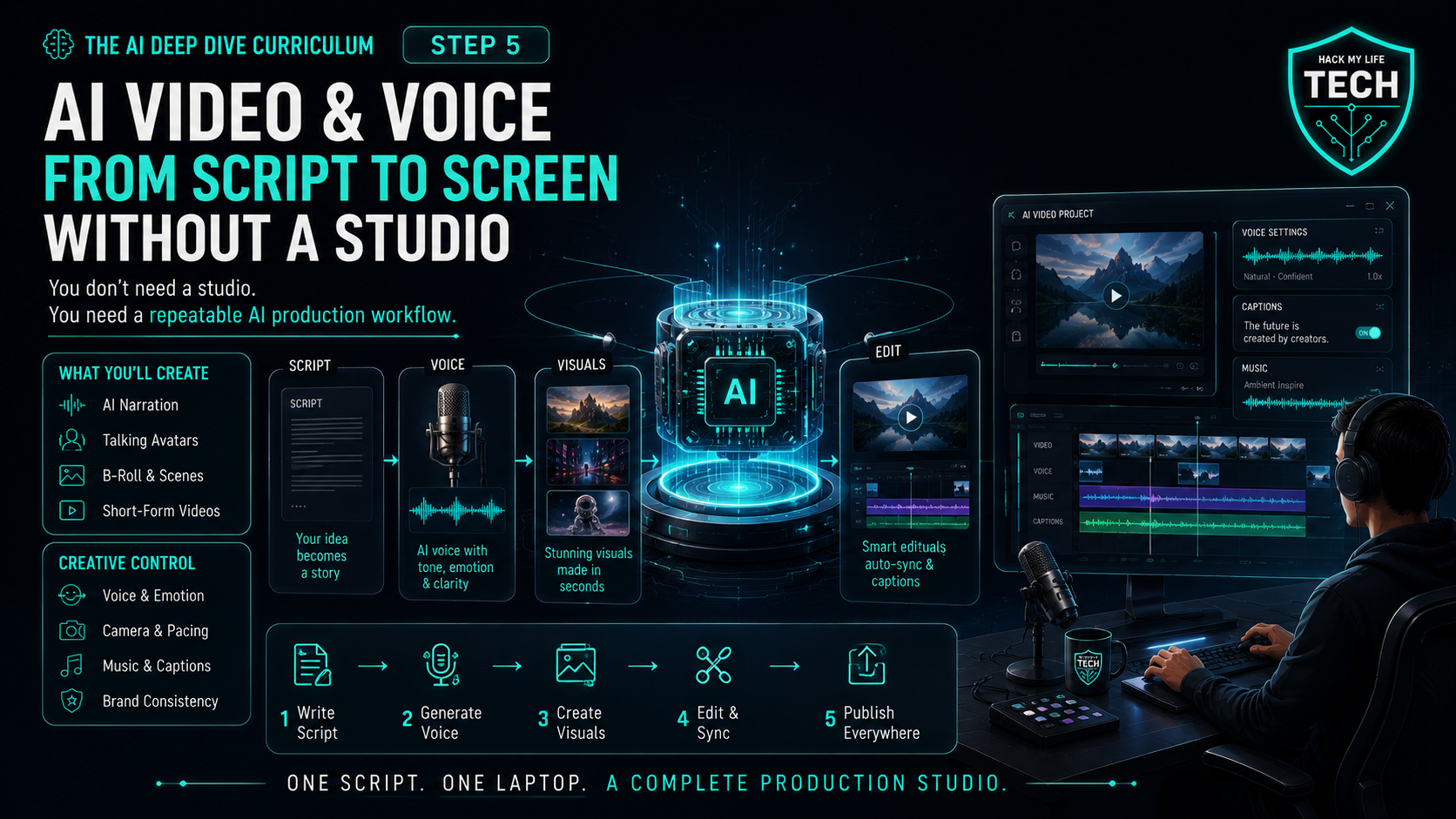
Step 5: AI Video & Voice — From Script to Screen Without a Studio
The people producing great AI video aren’t finding a magic prompt; they’re writing in shots, generating in pieces, and assembling like editors.
-
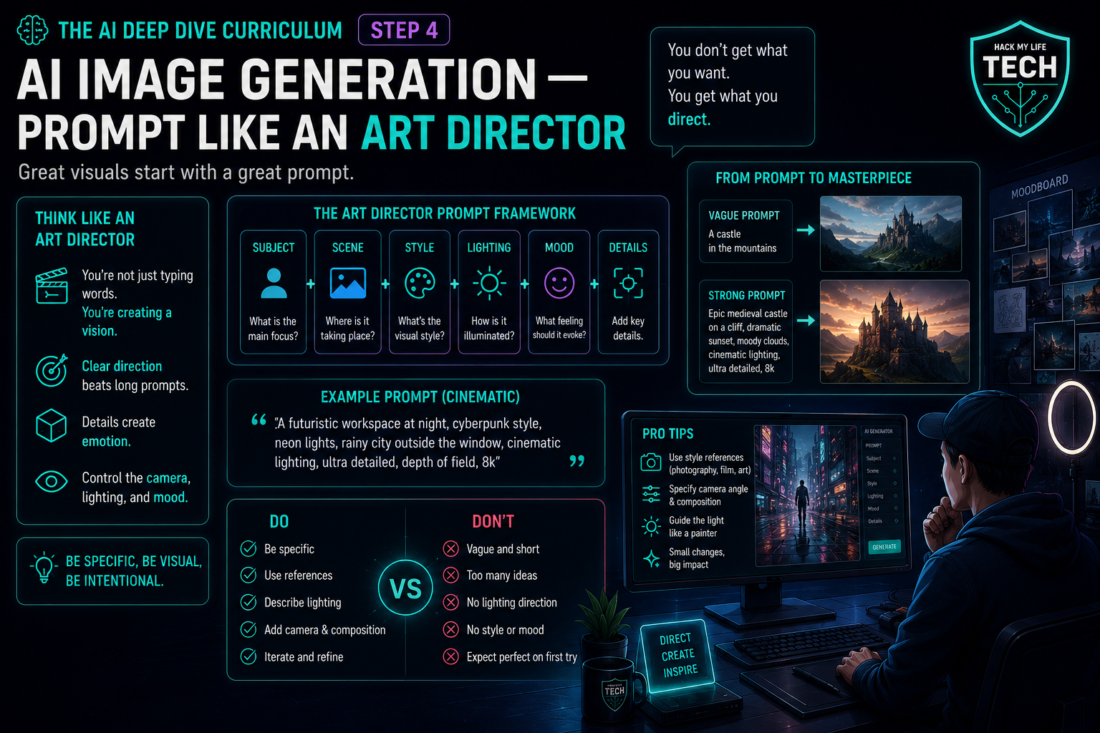
Step 4: AI Image Generation — Prompt Like an Art Director
Welcome to the Creation Studio — Phase 2 of the AI Deep Dive. For three lessons you’ve bent text to your will: engineering context, grounding in your files,…
-
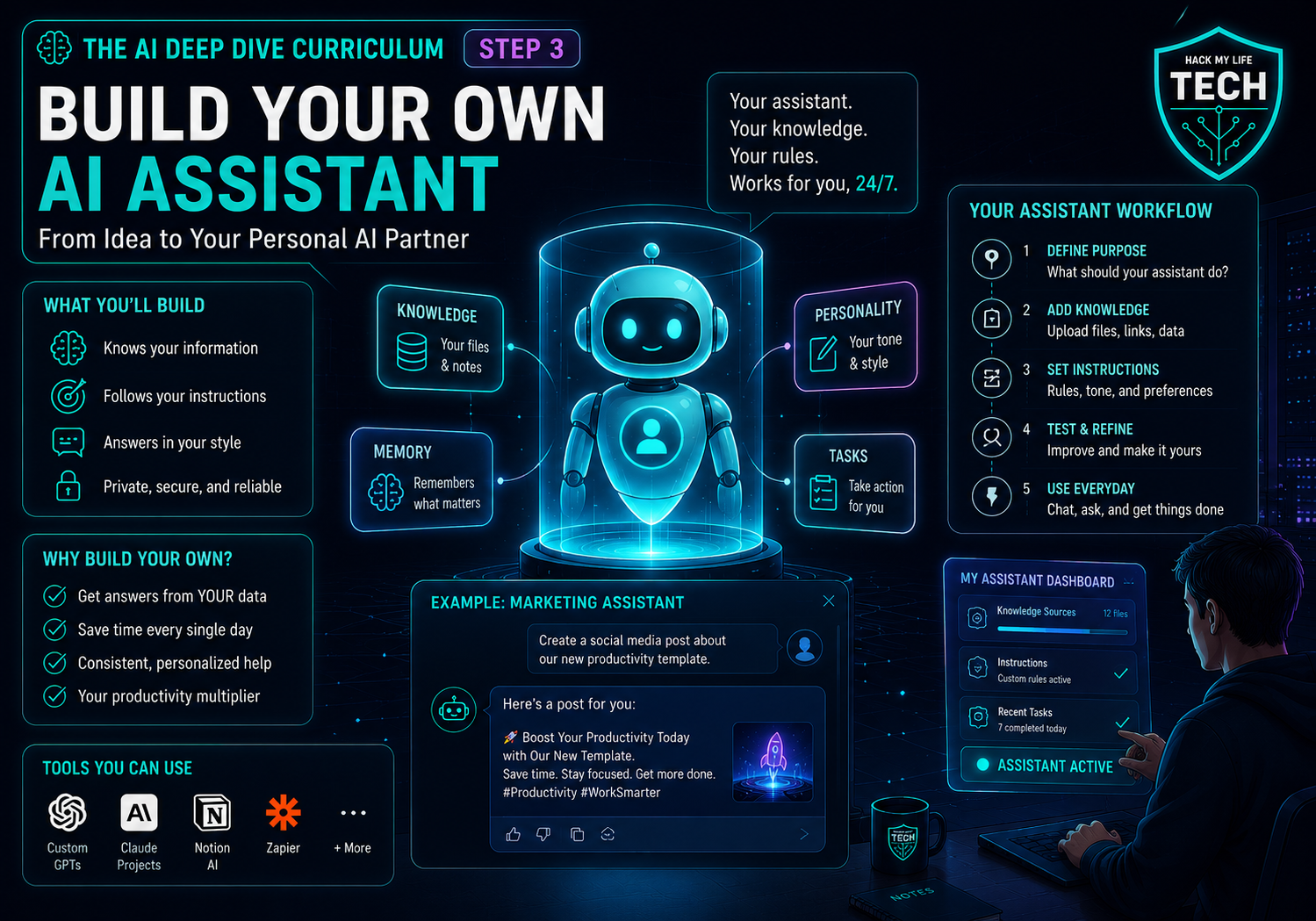
Step 3: Build Your Own AI Assistant — Custom GPTs, Claude Projects & Gemini Gems (No Code)
A custom AI assistant is hiring them once — instructions and knowledge baked in — so they show up every day already knowing you…
-
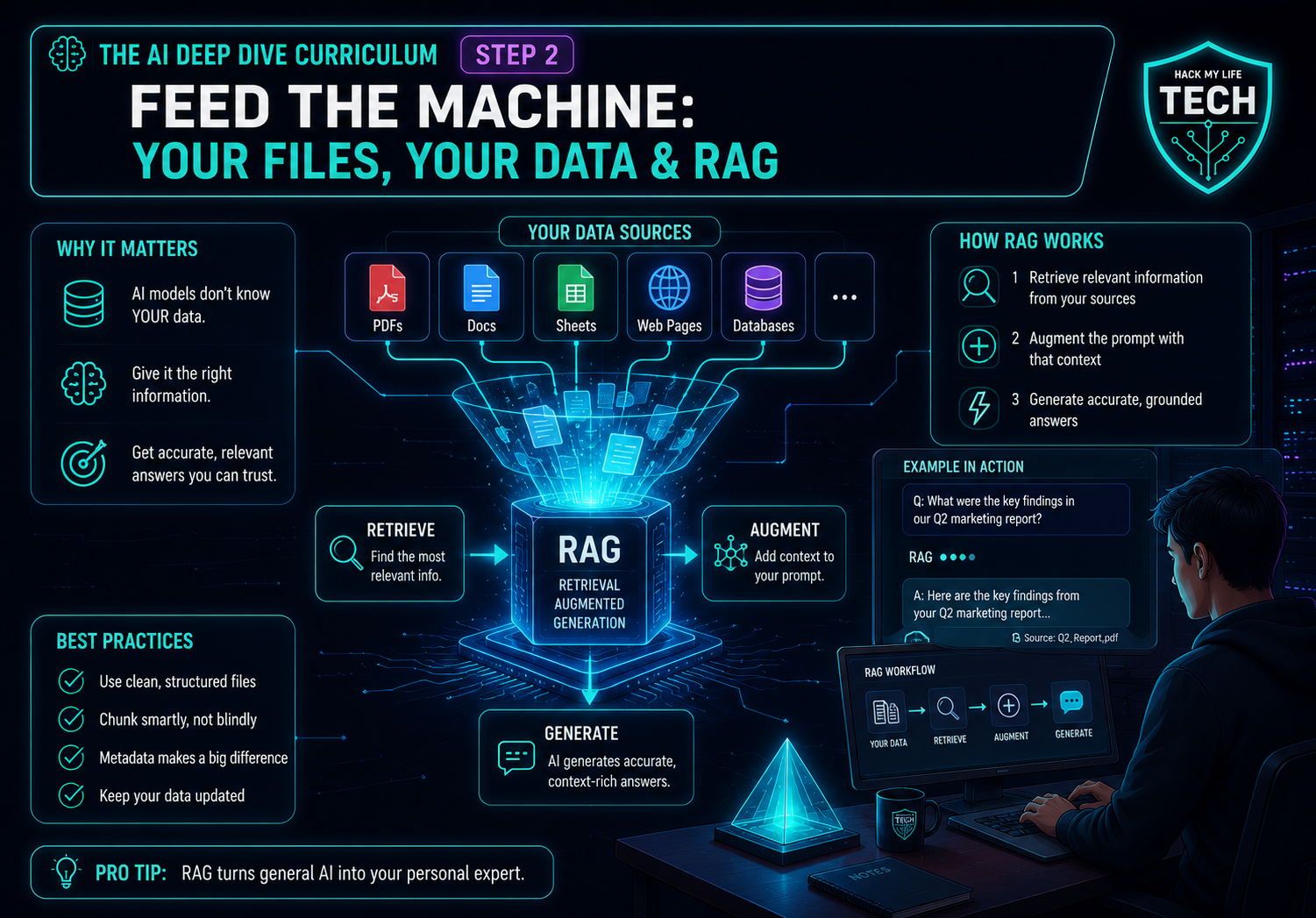
Step 2: Feed the Machine — Your Files, Your Data & RAG (No Code Required)
Learn how file uploads, knowledge bases, and RAG help beginners ground AI answers in their own documents—without code.
-
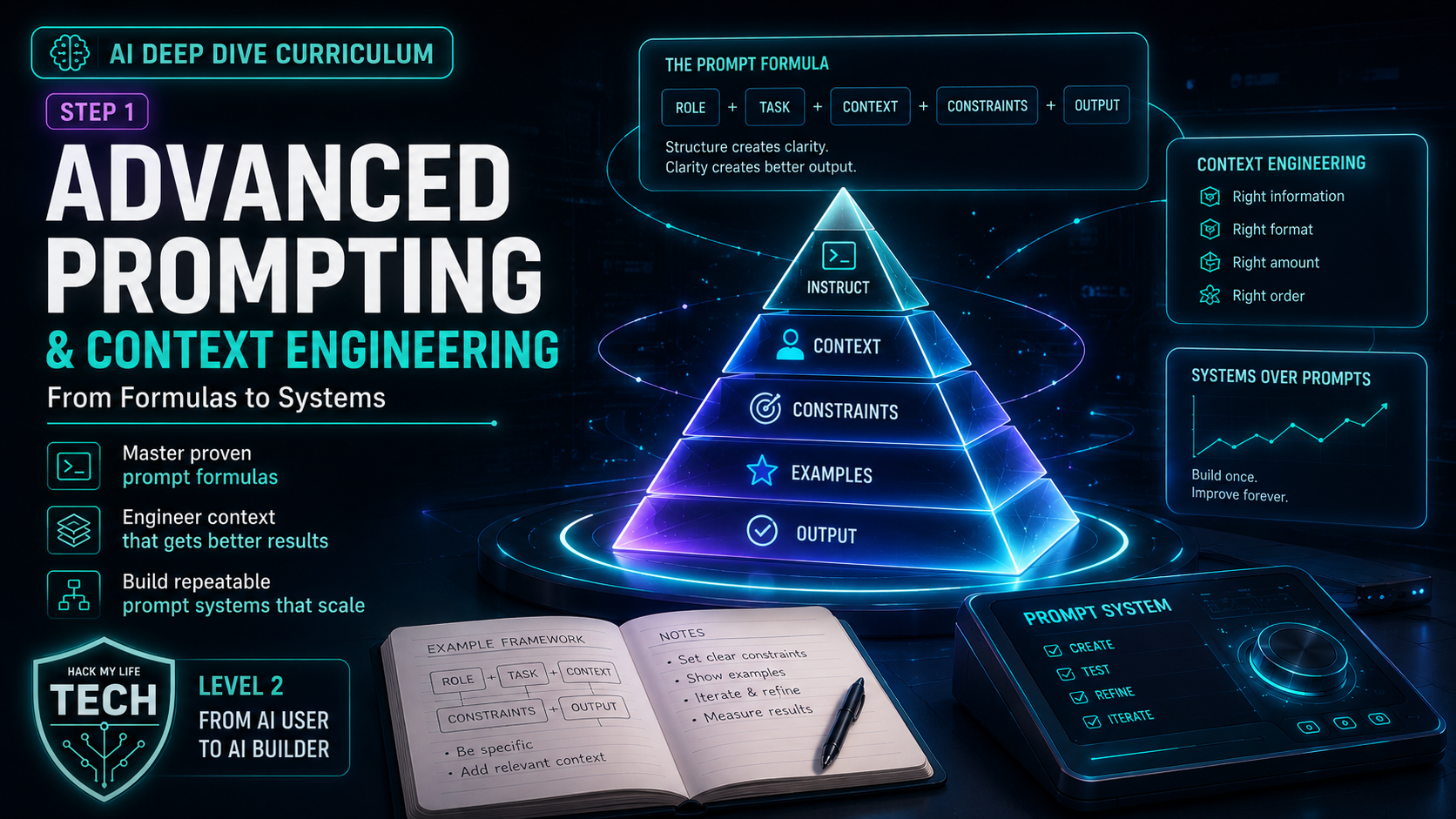
Step 1: Advanced Prompting & Context Engineering — From Formulas to Systems
A great prompt is a sentence. A prompt system is a machine. Level 1 taught you to brief the AI beautifully once
-
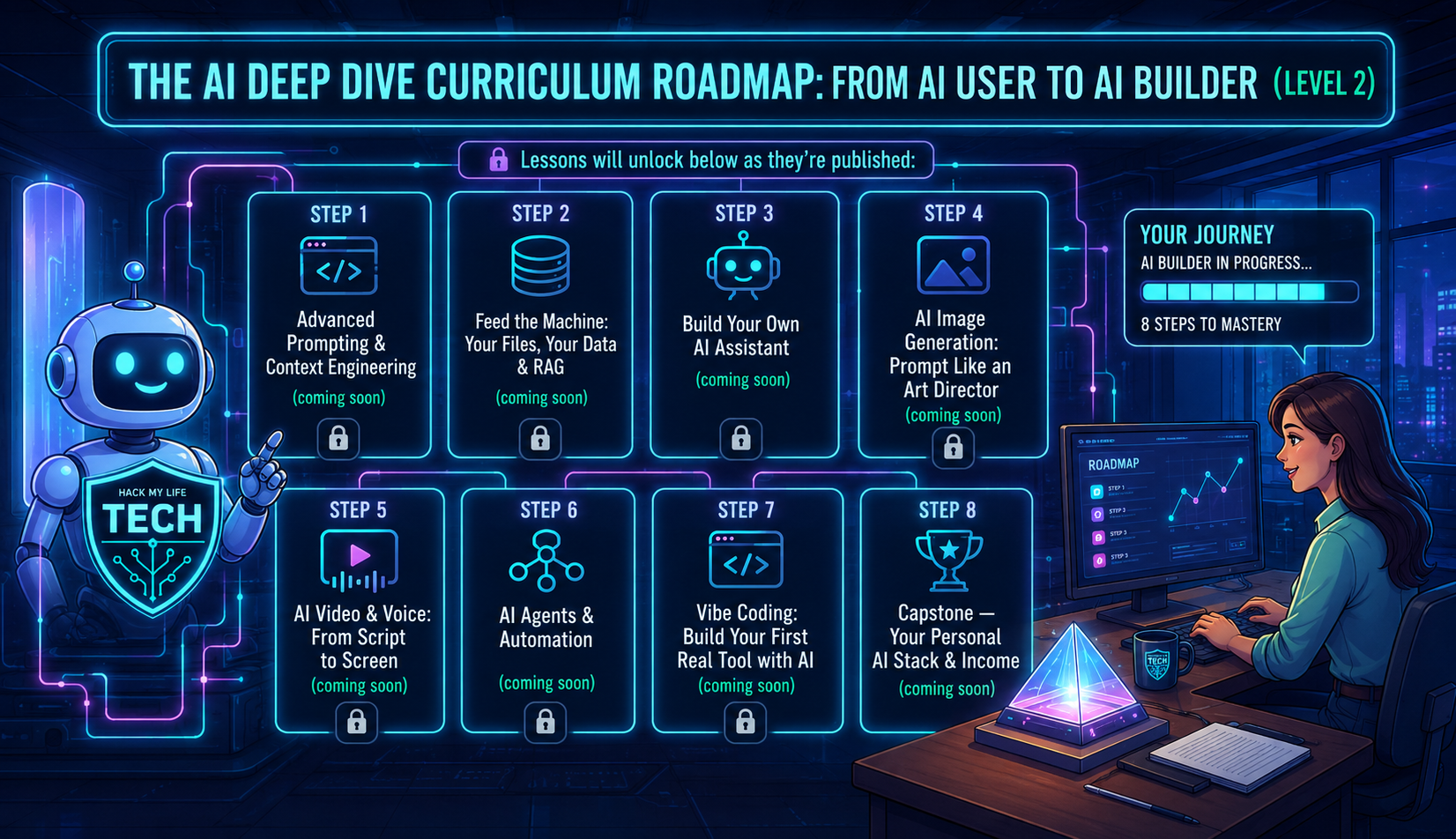
The AI Deep Dive Curriculum Roadmap: From AI User to AI Builder (Level 2)
Follow the AI Deep Dive roadmap from AI user to builder: learn prompting, RAG, custom assistants, image, video, automation, vibe coding, and ethical income ideas.
-

Step 7: AI Hallucination and Ethics: What Every Beginner Must Know
AI hallucination explained for beginners: learn why AI invents facts and a simple verification method for safer, more ethical use.
-
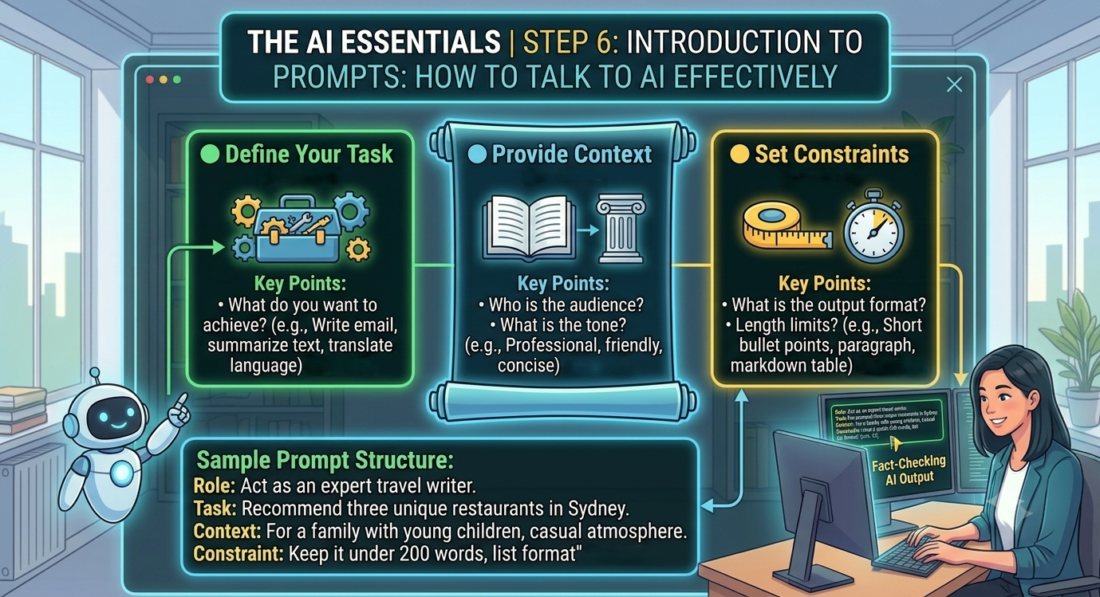
Step 6: Introduction to Prompts: How to Talk to AI Effectively
A prompt is not a search query, and it is not a wish. It is a briefing. Brief the AI the way you’d brief a smart new intern…
-
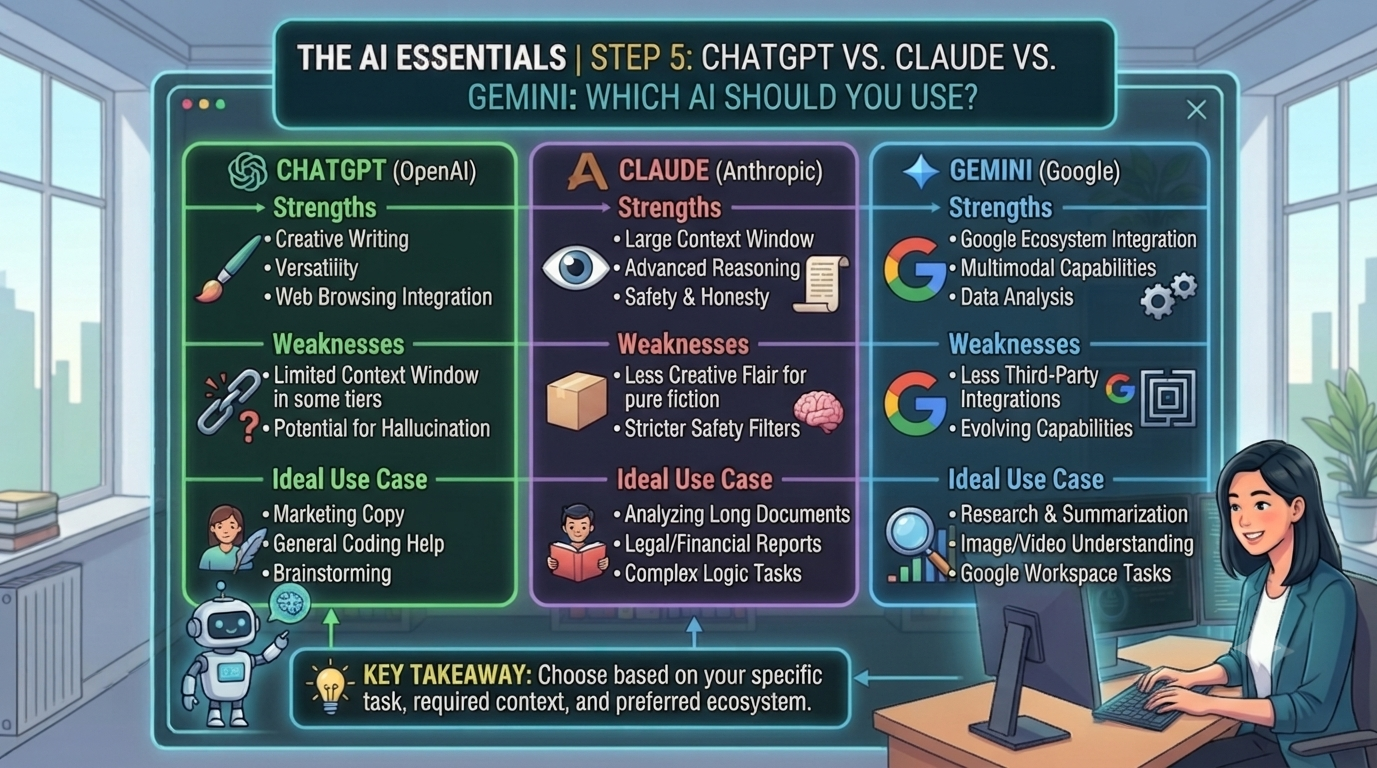
Step 5: ChatGPT vs. Claude vs. Gemini: Which AI Should You Use?
Which raises the obvious next question — if ChatGPT, Claude, and Gemini all run on the same science, why do they feel so different? And which one deserves…
-
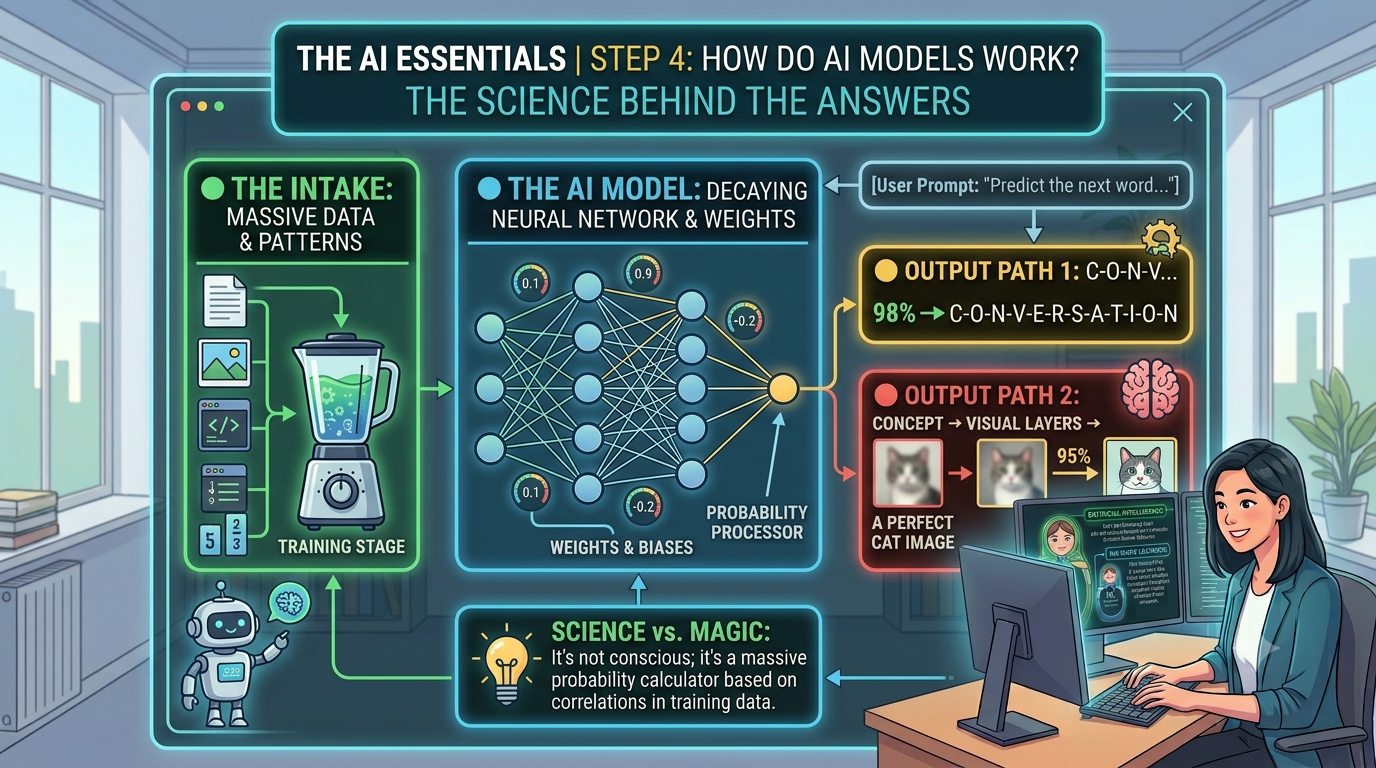
Step 4: How Do AI Models Work? The 3 People Behind the Answers
Welcome back to the AI Essentials series! In our last lesson, we discovered that AI Models like ChatGPT and Claude are, at their core, next-token prediction engines…
-
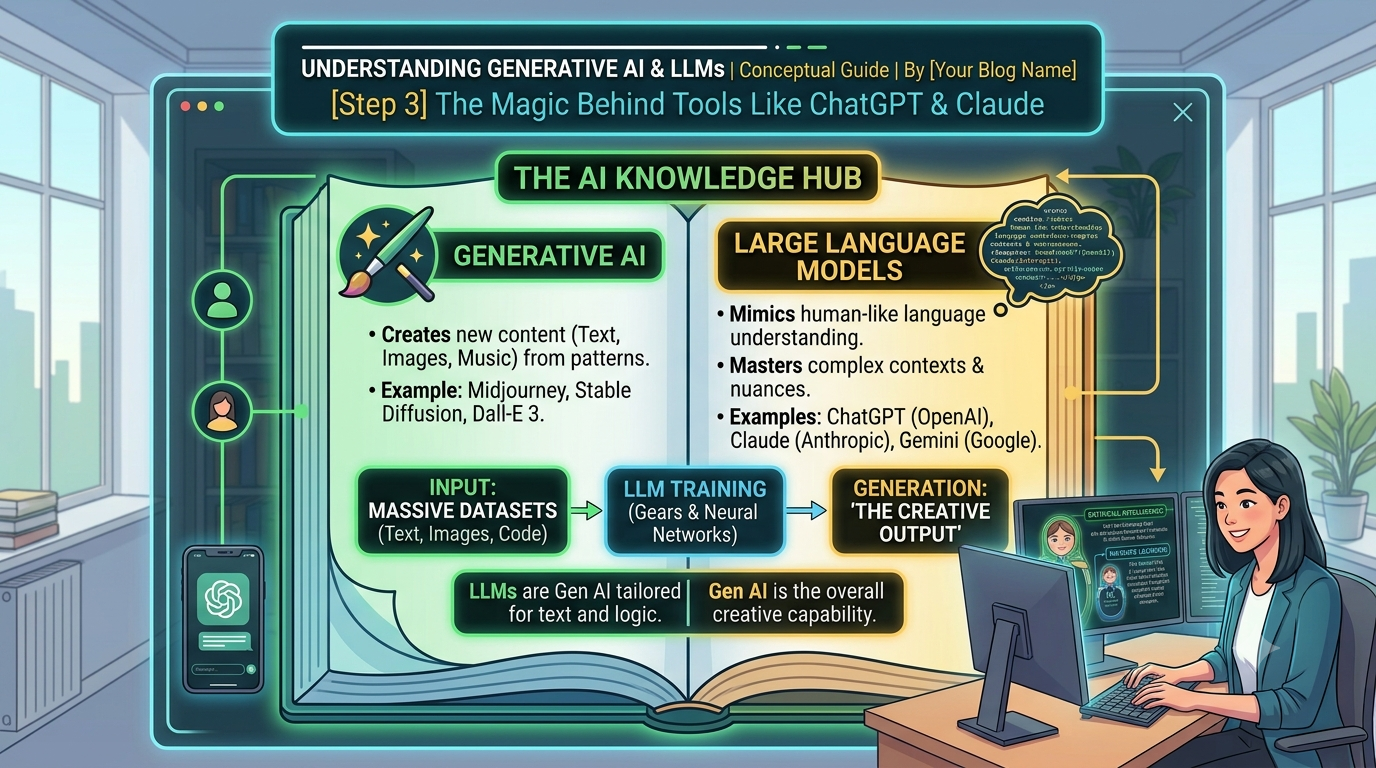
Step 3: Understanding Generative AI and Large Language Models (LLMs)
Generative AI isn’t brand new, either. In 2014, a research team led by Ian Goodfellow proposed a famous setup in which two neural networks compete
How these guides are prepared
Life Tech Hack is edited by G. Troy. Guides are checked against official documentation and primary sources where facts can change. Practical limits—including privacy, API credentials, costs, copyright, and AI hallucinations—are identified before readers act. AI tools may assist drafting or organisation, but the final article is reviewed and edited before publication.
See About Life Tech Hack for the editorial approach, or report a correction.